Trustworthy Pavement Contractor for Dependable Driveways and Roads
Finding a credible paving contractor is indispensable for delivering sturdy driveways and roads. Strategic selection promises strength and caliber consult now in construction work. Points like credentials, feedback, and industry knowledge greatly affect the outcome. Recognizing the details of pricing and care can notably improve the decision journey. As land holders assess their options, many key points necessitate meticulous evaluation to guarantee a rewarding project. Which aspects should they emphasize in their search?
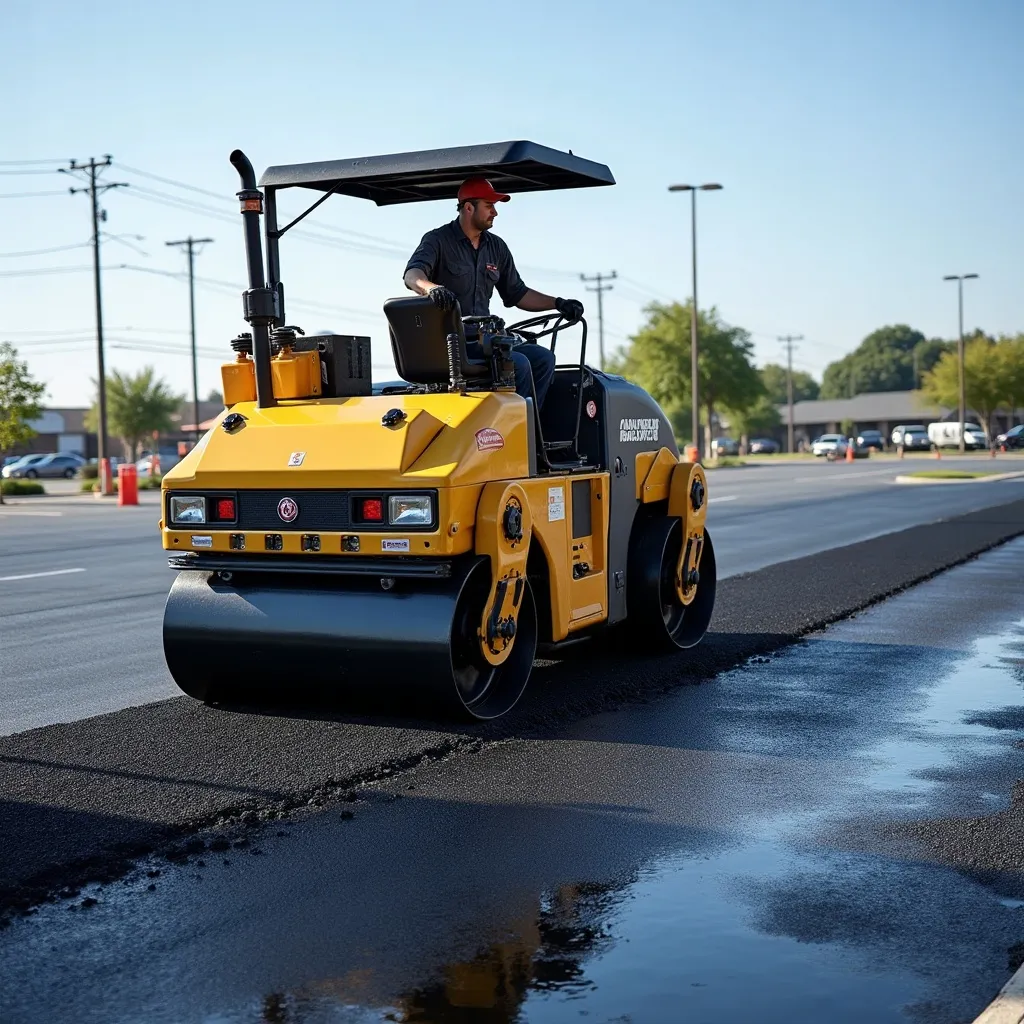
How to Pick an Experienced Paving Contractor
When determining an experienced paving contractor, one might wonder what essential criteria to evaluate. First, it is crucial to check the contractor's credentials, including licenses and insurance, to substantiate compliance with local regulations and protection against exposures. Next, analyzing client endorsements and former work collections can provide insight into the contractor's execution quality and accountability.
Furthermore, securing multiple quotes can assist in gauging the typical cost for tasks and identifying any red flags, such as unusually low bids. Skill in specific paving types, including residential driveways or commercial parking lots, is an important point, since specialized knowledge often brings better outcomes. Communication skills remain critical; a contractor should be quick to reply and open to resolving any questions or concerns. Lastly, examining guarantees offered can reflect the contractor’s assurance in their work and commitment to customer satisfaction.
Ideal Components for Your Driveway
When choosing options for a driveway, homeowners often weigh the advantages and disadvantages of asphalt and concrete. Each option presents distinct features that can influence durability and cost. Additionally, gravel provides a more budget-friendly alternative but comes with its own set of benefits and drawbacks.
Asphalt vs. Concrete Options
Which material offers the finest mix of strength and budget for driveway areas: asphalt or concrete? Asphalt is regularly preferred for its cheaper initial price point and speedier setup. It normally offers a smooth top layer that can withstand rough weather conditions, making it a practical selection for many home owners. However, asphalt requires frequent care, including sealing and repair work, to prolong its duration.
Similarly, concrete is known for its longevity and basic maintenance obligations. With proper installation, concrete driveways can stand over 30 years. Also, concrete provides a variety of design options, including decorative finishes. While the initial investment is steeper, the reduced maintenance needs can make it a economical answer over time. Ultimately, the determination depends on individual wants and financial capacity.
Gravel Positive Aspects and Negative Aspects
While tar and concrete are often the usual materials for driveways, gravel presents a viable option with its own set of benefits and downsides. One noteworthy benefit of gravel is its cost-effectiveness; it generally demands a lower initial investment compared to asphalt and concrete. Additionally, gravel provides superior drainage, helping to minimize water pooling risks. However, it also has its limitations. Gravel driveways may require routine maintenance such as intermittent replenishment and raking to keep the surface even. Furthermore, they can present concerns with erosion and may be less durable under high traffic conditions. Ultimately, the choice to select gravel should factor in both its affordability and the homeowner’s willingness to engage in ongoing upkeep.
Reviewing Client Comments: What to Evaluate
How might prospective customers assess the standard of a paving contractor through customer reviews? Analyzing these reviews requires concentration to specific factors. First, clients should look for overall ratings; a high average score often indicates satisfactory service. Next, the volume of reviews is important; a larger quantity provides a more reliable picture of the contractor's performance.
Clients should also scrutinize the details of individual evaluations. Positive remarks about punctuality, clarity, and work quality is critical. Additionally, common themes in negative reviews, such as poor support or project delays, can highlight potential issues.
Additionally, responses from the contractor to reviews demonstrate their professionalism and dedication to client contentment. Ultimately, evaluate reviews from various sources to obtain a comprehensive viewpoint. By concentrating on these aspects, potential customers can reach well-considered choices concerning their paving contractor.
Essential Inquiries You Should Discuss With Your Paving Contractor
When selecting a paving contractor, posing the right inquiries can substantially impact the final conclusion. It is crucial to ask about the contractor's experience level and the varieties of assignments they have undertaken. Grasping their strategy regarding materials and techniques can also deliver perspective on the quality of work to anticipate.
Prospective customers should ask about insurance and licensing to guarantee the contractor satisfies regulatory standards and is protected against possible risks. Additionally, talking about the timeline for project completion and any possible postponements is crucial.
Inquiring about guarantees on both materials and labor can safeguard the investment. Finally, it's advantageous to ask for references or examples of previous work to gauge the builder's dependability and quality. These questions not only define requirements but also create a basis for effective dialogue throughout the undertaking.
Paving Rates: What to Plan For
Understanding construction expenses is necessary for homeowners considering a work. Numerous aspects, including available materials and pricing, considerably affect the complete expenditure. Additionally, reviewing long-term value can enable in forming informed decisions about paving expenditures.
Considerations Affecting Surface Expenses
Several factors determine paving expenses, making it essential for property owners to grasp the variables at play. One significant aspect is the size of the area to be paved; larger spaces typically incur higher costs due to increased material and labor requirements. Additionally, site conditions, such as soil quality and drainage, can affect pricing, as extensive preparation may be needed. Local labor rates also play an important role; areas with a higher cost of living often have elevated labor expenses. Moreover, the complexity of the project, including intricate designs or existing structures, can lead to added costs. Finally, seasonal factors may influence pricing, as contractors often adjust rates based on demand fluctuations throughout the year.
Material Options and Pricing
Multiple paving materials profoundly affect installation costs, each supplying unique benefits and variable pricing. Asphalt, known for its cost-effectiveness and prompt installation, averages from $3 to $5 per square foot. Concrete, although more sturdy, can cost between $4 and $8 per square foot, depending on finish and thickness. Pavers, made from brick or stone, furnish design appeal but usually range from $10 to $20 per square foot, coupled with installation. Moreover, permeable paving options, which facilitate water drainage, may cost more due to their specialized materials and installation techniques. Homeowners should consider these options carefully, balancing initial costs with desired longevity and practical needs for their driveways and roads.
How Guarantees and Aftercare Support Matter
When selecting a dependable paving service provider, the importance of warranties and aftercare services must not be ignored. Warranties act as a safeguard for clients, assuring that any defects in materials or construction quality are handled at no extra charge. A reputable contractor typically offers an extensive warranty that demonstrates their trust in the excellence of their work.
Apart from warranties, aftercare support represent an essential role in extending the longevity of concrete installations. Consistent maintenance, such as sealing and crack repairs, can prevent more substantial harm and expensive maintenance down the line. A contractor that delivers continuous care exhibits a pledge toward client happiness and the durability of their work.
Thus, protection plans and ongoing care not only strengthen the value of the upfront cost but also guarantee peace of mind for homeowners and businesses alike. A skilled professional stresses these aspects, establishing rapport and enduring ties with clients.
Frequently Questioned Subjects
How much time Does the Paving Process Typically Take?
The paving process usually requires one to three days, depending on the project's size and complexity. Factors such as climatic conditions, site preparation, and choice of materials can also influence the total duration significantly.
Which Weather Conditions Influence Paving Work?
Environmental conditions play a major role in paving work. Rain, snow, and extreme temperatures can delay projects, while humidity levels influence the curing process. Ideal conditions, typically dry and mild, guarantee better adhesion and durability of the pavement.
What Steps Should I Follow to Maintain My New Driveway?
To maintain a new driveway, frequent washing, applying sealant periodically, and addressing cracks promptly are critical. Avoiding heavy loads and employing proper snow clearing methods also prolongs its lifespan and maintains its look.
Do eco-friendly paving options available?
Absolutely, an array of environmentally conscious paving options are available, comprising permeable pavers, recycled asphalt, and alternative concrete constructed with eco-friendly materials. These choices assist in mitigating environmental burden while offering resilient and functional surfaces for driveways and walkways.
Will I Require a License for Paving Work?
Often permits are needed for driveway paving, following local guidelines. Homeowners should get in touch with their municipal planning department to figure out detailed specifications, ensuring adherence and avoiding potential fines or project delays during project execution.